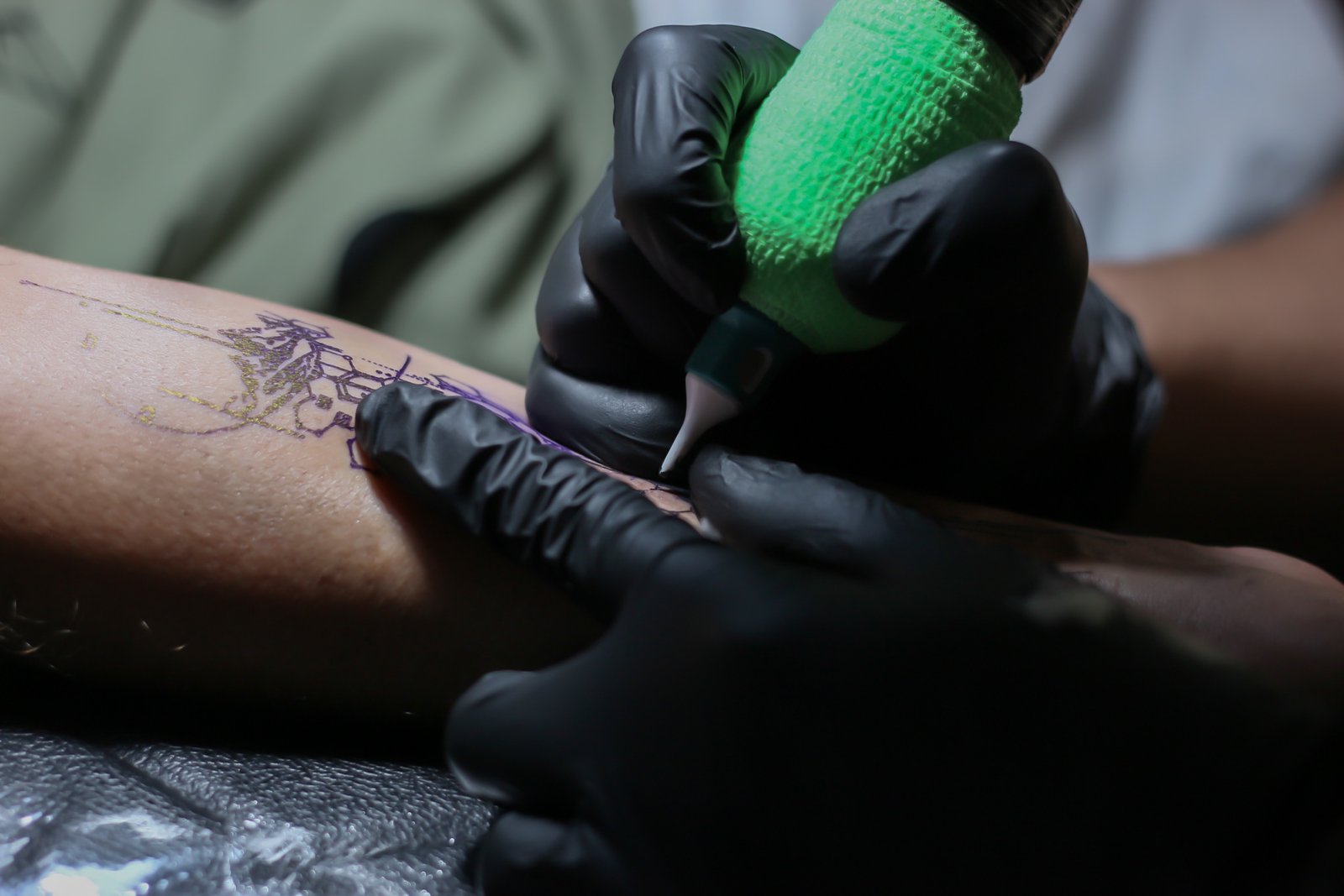
A tattoo is more than just art, it’s a carefully etched journey onto your skin that demands attention, care, and respect. At Utopia Ink Bali, our staff and artists remind every client that proper tattoo aftercare is just as important as the tattooing process itself.
This isn’t only about initial healing, it’s about preserving your ink for years to come.A tattoo is more than just art, it’s a carefully etched journey onto your skin that demands attention, care, and respect. At Utopia Ink Bali, our staff and artists remind every client that proper tattoo aftercare is just as important as the tattooing process itself. This isn’t only about initial healing, it’s about preserving your ink for years to come.
Follow this structured aftercare guide Heal, Hydrate, Protect created by Utopia Ink Bali, the best tattoo studio in Seminyak, to ensure your piece remains as vibrant as it feels meaningful.
Understanding the Healing Process
Tattoo healing unfolds in stages, each crucial and delicate. Here’s a breakdown from the professional artists at Utopia Ink Bali to help you care effectively at every step:
1. Inflammation & Oozing (Days 1–7)
- Right after your tattoo session at Utopia Ink Bali, the skin behaves like a healing wound expect redness, swelling, tenderness, and slight oozing.
- This reflects your body’s inflammatory response to injury naturally clearing debris and beginning repair
- Keep the area clean with gentle washing, then dry and moisturize with a light, unscented product
2. Peeling & Itching (Days 7–14)
- Around the second week, your skin starts to flake and peel much like a sunburn recovery and the tattoo may look cloudy or dull
- Persistent itchiness is common, but it’s essential not to scratch scratching can displace ink and lead to scarring
- At Utopia Ink Bali, we advise using a fragrance free moisturizer to soothe and support healing.
3. Skin Remodeling & Settling (Weeks 3–4)
- By week three, most visible signs of healing fade. However, a thin layer of dead skin often still covers the art, causing subtle dullness
- Underneath, deeper layers of skin are still in repair, retain moisturization and avoid direct sun exposure to support full rejuvenation
4. Full Healing (Months 1–6)
- Although your tattoo may appear visually healed after 4–6 weeks, true skin recovery can take up to six months
- During this period, skin structure continues to rebuild, and pigment settles more permanently
- Consistent moisture and diligent sun protection (SPF 30+ when exposing to UV) are vital to maintain vibrancy
Placement, Age & Skin Type Really Impact Tattoo Healing
1. Tattoo Placement: Where Your Ink Matters
- Tattoos located on areas with thin skin or frequent movement like fingers, feet, ankles, elbows, or joints tend to heal slower and may fade faster due to friction and exposure
- Placement influences healing timeline: for example, a wrist tattoo might heal in 2–3 weeks, where as a tattoo on the back could take 4–6 weeks or more depending on size and movement
- Highly exposed areas (e.g., hands, feet, neck) are at higher risk for infection or fading, underscoring the need for tailored aftercare
2. Age: Younger Skin vs. Older Skin
- Younger skin (20s–30s) generally heals faster, absorbs ink more effectively, and retains sharp designs longer
- As we age, skin loses elasticity and becomes thinner, which can affect how crisp your tattoo appears and how well it heals. Lines may blur or the design may appear to stretch
- Older individuals may need longer healing time and a more attentive aftercare routine
3. Skin Type and Condition: The Unique Canvas
- Dry skin may crack or scab excessively, slowing healing and causing uneven ink retention
- Oily skin can blur ink lines or make tattoos appear less vibrant; frequent cleansing and using light moisturizers can help
- Sensitive skin is more prone to redness, irritation, and delayed healing. Gentle care and hypoallergenic products are essential
- Certain conditions like eczema and psoriasis can disrupt ink placement and healing due to inflammation or scaly skin; they may also trigger flare ups after tattooing
- Conditions like keratosis pilaris or “strawberry skin” generally do not hinder healing; many users on forums report no issues
- Darker skin tones can influence color visibility (lighter shades may appear muted) and carry a higher but individual specific risk of keloid scarring. Proper technique and artist expertise are critical
Short‑Term Tattoo Aftercare (First 0–6 Weeks)
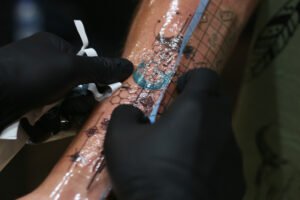
1. Right After the Session
- Keep the original bandage or wrap on for at least a few hours typically 2–5 hours or per your artist’s advice
- Wash your hands thoroughly before touching the tattoo
2. Cleansing
- Remove the wrap and gently wash with lukewarm water and mild, fragrance‑free soap or tattoo cleanser twice per day
- Pat dry using clean paper towels avoid cloth towels, loofahs, or scrubs
3. Moisturizing
- Apply a thin layer of fragrance-free, non-petroleum moisturizer 2–3 times daily. Utopia Ink Bali recommends Herbcare balms to prevent dryness and support healthy healing.
- Avoid heavy ointments like petroleum jelly during healing, as they can trap bacteria
4. Avoid Risks
- Do not pick or scratch forming scabs this can pull out the ink and cause patchiness or scarring
- Avoid soaking the tattoo: skip swimming, hot tubs, baths, and excessive sweating until fully healed (up to 6 weeks)
Avoid tight clothing opt for loose, breathable fabrics - Stay out of direct sunlight until fully healed; do not apply sunscreen until healing is complete
5. Healing Timeline
- First arrival of scabs/flaking often occurs in week 1–2 soothe itching with moisturizer instead of scratching
- Between weeks 3–6, scabs drop off, skin texture normalizes, and deeper layers continue healing
- By 2+ months, the top layer is usually healed continue hydration as needed
Long‑Term Tattoo Care (After Full Healing)
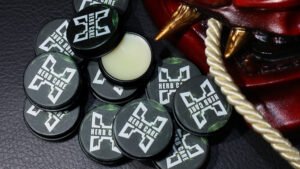
1. Moisturize Consistently
- Keep the skin around your tattoo hydrated using a gentle, tattoo safe lotion.
Clients at Utopia Ink Bali are encouraged to continue moisturizing long-term to maintain ink vibrancy.
2. Sun Protection
- UV exposure accelerates tattoo fading by breaking down ink pigments and skin structure, apply broad-spectrum sunscreen SPF 30+ liberally and reapply every two hours when exposed
- Avoid tanning beds altogether.
3. Healthy Lifestyle Matters
- Stay hydrated, eat nutrient rich foods, avoid smoking and excessive alcohol. Healthy skin supports long-lasting tattoo color and elasticity
4. Touch‑Ups When Needed
- Over years, some fading is inevitable due to skin regeneration and immune response to ink (macrophages)
- A skilled touch-up can restore vibrancy after several years, but always follow proper aftercare afterward
At Utopia Ink Bali, we believe a tattoo is more than art, it’s a lifelong relationship between your skin and your story. By investing in thoughtful aftercare and consistent maintenance, your tattoo can remain a true reflection of your journey.
Follow this guide, listen to your body (and your artist), and enjoy watching your ink age gracefully under the Bali sun.